Case study: company engagement with a fantasy football league
May 4, 2026
Case Study: Company Engagement with a Fantasy Football League
Many firms want a simple way to bring people together. They want fun. They want chat. They want staff, clients, or fans to feel part of one shared event.
This case study shows how a company can use Fantasy Football (a prediction game in English) to drive engagement.
In this format, fantasy football does not mean picking players. There are no player drafts. There are no squad budgets. People predict match results. They score points when they get close or correct.
That makes it easy for everyone to join.
The Challenge
A mid-sized company wanted to build a fun campaign around a major international football tournament in 2026.
The team had three goals:
- Get staff talking across teams
- Give clients a reason to come back each week
- Keep the brand in front of people during the event
They did not want a complex game. They also did not want lots of admin work.
They needed something quick to set up. It had to work for people who love football and people who only watch big games.
The Solution: A Branded Prediction League
The company launched a private football prediction league through a platform like OfficeFantasy.
The idea was simple.
Each person predicted the score of each match. The system gave points for:
- Correct result
- Correct score
- Close score
- Bonus picks
The company added its own name, colours, and welcome text. It then invited staff and selected clients by email.
The game ran during the tournament period. Each week, the company shared:
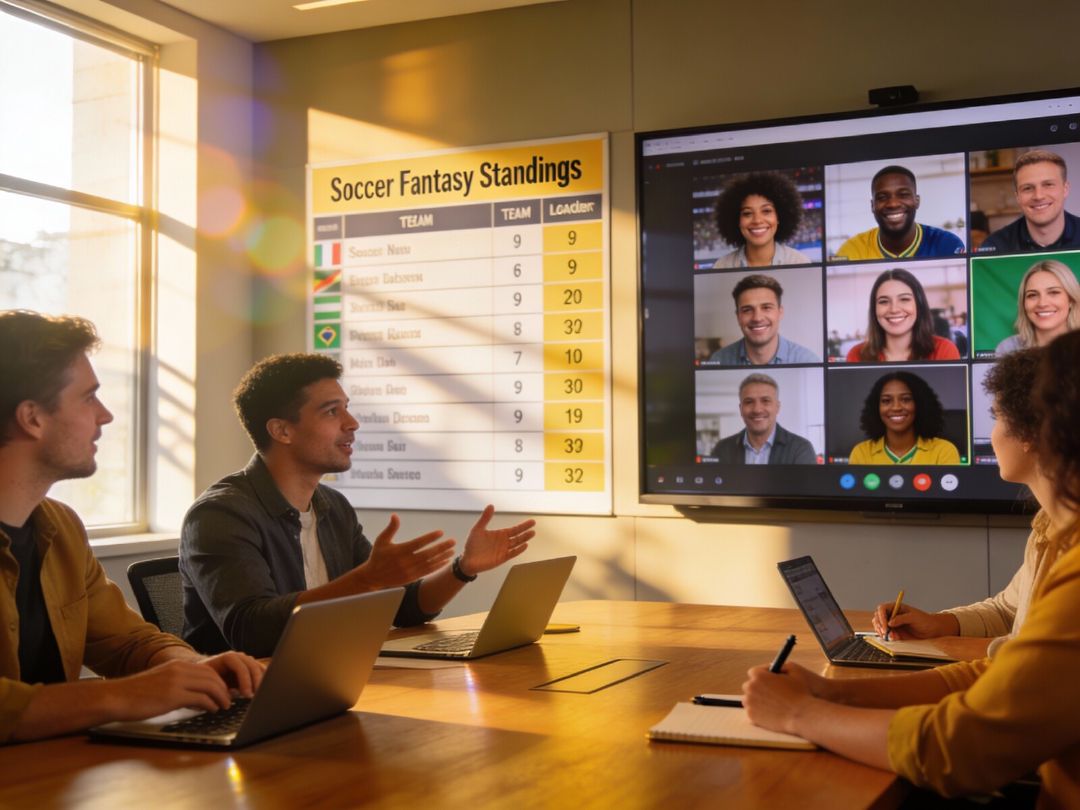
- Leaderboard updates
- Fun shout-outs
- Top scorers
- Friendly team rivalries
- Small prize reminders
This kept the game fresh.
Why This Worked
The game worked because it was easy.
People did not need deep football knowledge. They only had to guess scores. That made the game fair and open.
It also helped teams mix. Sales talked to finance. Managers talked to new starters. Clients replied to emails that they might have skipped before.
The company used the league as a soft touchpoint. It did not feel like a sales pitch. It felt like fun.
For more on why engagement matters at work, see this CIPD guide to employee engagement.
The Campaign Plan
The company used a clear plan.
1. Set a Clear Goal
The main goal was not just “fun”.
The team wanted more internal chat and better client contact. They set simple targets:
- 150 staff entries
- 50 client entries
- Weekly email open rate growth
- More replies from key accounts
2. Keep the Rules Simple
The company used plain words.
Rules were shared in a short email:
- Predict the match score.
- Submit before kick-off.
- Earn points.
- Climb the table.
- Win prizes.
No long guide was needed.
3. Use Small Prizes
The company did not need huge prizes.
It offered:
- A £25 voucher for weekly winners
- A team lunch for the best staff group
- A larger prize for the final winner
- Bragging rights on the company chat
Small prizes kept people active. Bragging rights did the rest.
4. Share Weekly Updates
The team sent a short update each Monday.
Each update had:
- The top 10 players
- Biggest mover of the week
- Fun wrong guess of the week
- Reminder to predict the next round
This made people smile. It also drove repeat visits.
Results from the League
The campaign gave strong results.
By the end of the event:
- Staff sign-up beat the target
- Clients joined from key accounts
- Weekly email clicks rose
- Internal chat increased
- The company had fresh reasons to contact people
The sales team liked the campaign most. It gave them a warm reason to message clients.
A simple line worked well:
“Have you made your predictions for this week?”
That one line opened many doors.
Why It Helps Sales Teams
A prediction game gives sales teams a light way to stay close to leads and clients.
It can help with:
- Client care
- Lead nurture
- Event marketing
- Brand recall
- Account growth
- Community building
It works because it does not feel pushy. People join for fun. The brand gets seen each time they play.
Why It Helps HR and Internal Teams
This type of league also helps inside a company.
It can support:
- Team bonding
- Hybrid work culture
- Staff morale
- Cross-team chat
- New starter welcome plans
In England, football often gives people an easy topic. A prediction game turns that topic into a shared office moment.
Key Lessons from This Case Study
The company learnt five clear lessons.
- Simple games get more players.
- Weekly updates keep people active.
- Small prizes work well.
- Client invites feel warmer when tied to fun.
- Prediction games suit both fans and casual players.
The biggest lesson was this:
You do not need a complex fantasy game. You need a shared game that people understand fast.
How OfficeFantasy Can Help
OfficeFantasy is built for group prediction games.
It can support companies, clubs, and marketers who want to run a private league for staff, customers, members, or fans.
A branded prediction league can help you turn a major football event into weeks of useful engagement.
You can use it for:
- Employee engagement
- Client campaigns
- Sports club fan activity
- Pub and venue promotions
- Community competitions
- Brand-led football fun
Final Takeaway
A company engagement league can be simple and powerful.
Fantasy Football here means a prediction game. People predict scores. They do not pick players.
That simple format makes it easy for anyone to play. It creates chat, repeat visits, and warm contact.
For firms in England, it is a smart way to build buzz around the 2026 football tournament and keep people engaged from the first match to the last.